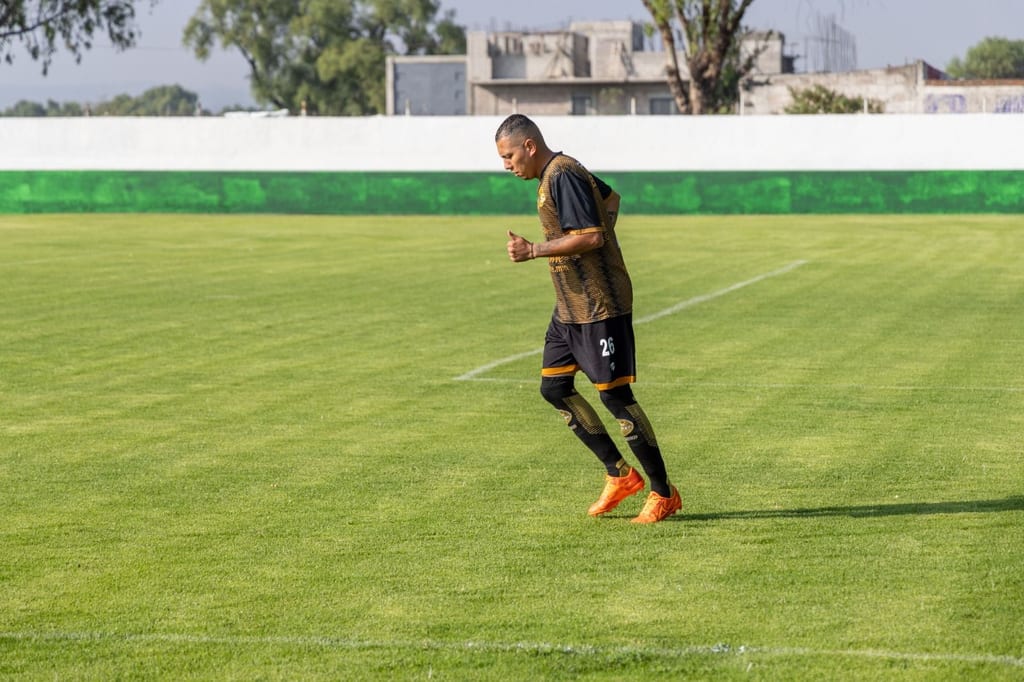
Becoming Better At Being Who You Are
🧠 MindsetIn football, growth does not always mean fixing what is missing. Sometimes it means understanding what works and building on it.



In football, growth does not always mean fixing what is missing. Sometimes it means understanding what works and building on it.

Pre-season is arguably the most important period of the entire season. It is when the foundations are laid for everything that will follow in the months ahead.

For a footballer to fully express his potential, he must first learn to be comfortable with himself. He must understand his limits, his strengths and his emotions. He must learn how to deal with pressure, mistakes and judgment.

If it’s true that winning builds, it’s equally true that we become winners by learning to lose. But losing well — with honesty, responsibility, and depth — is far rarer than it seems.

In modern football, we hear more and more about feedback and communication. Yet we rarely dive into the core question: when and how should a coach communicate with their players?
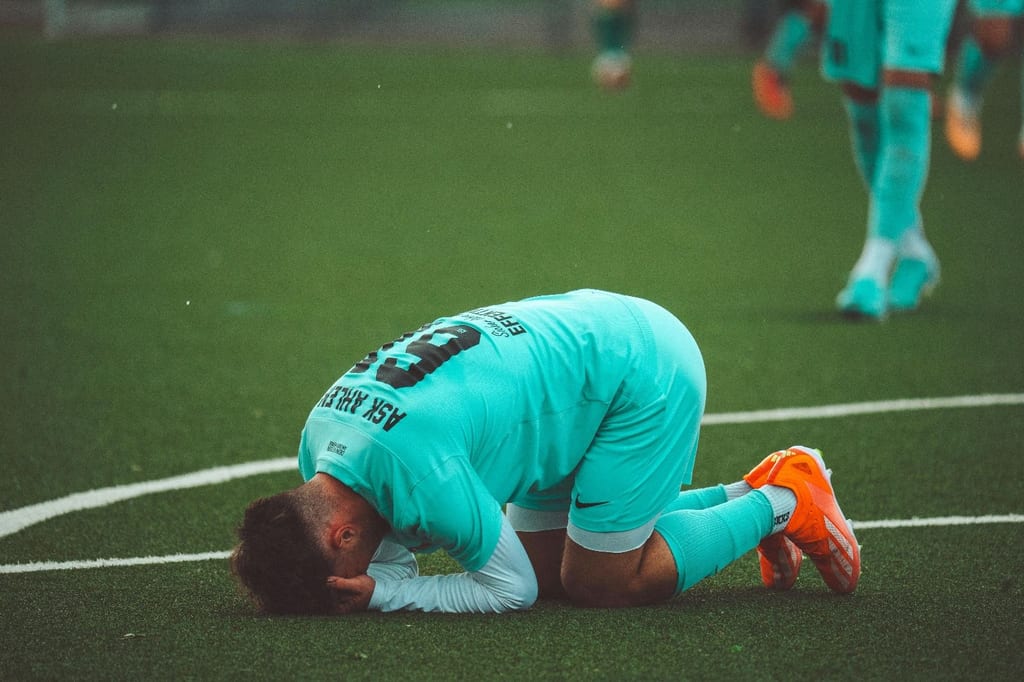
In modern football, one of the most underestimated issues in the development of young players is the lack of training in frustration.

Every coach eventually faces moments of difficulty, criticism, and defeat. In those moments, the real question is: why do we keep doing it?

There are instances in football when deeper values emerge: belonging, respect for team rules, and the leadership of the coach.

The start gate opens, the initial push breaks balance, and within seconds the athlete exceeds 100 km/h. In downhill skiing there is no feeling-out phase: every choice is immediate, every mistake potentially irreversible.

Football has been my world since I was a child: first as a player, then as a coach. The smell of wet grass, the crisp sound of the ball being struck, the shouts bouncing between the bench and the pitch,

Data shows that approximately 30–40% of goals come from set-piece situations. This means that a significant part of the final result is decided in static moments that may appear simple, but are actually extremely complex from both a tactical and mental perspective.

Over the course of a football season, not all training sessions carry the same weight, intensity, or emotional load.

In modern football, where spaces vanish in seconds and every decision can change the outcome of a match, the defensive line has a crucial task: reading the signals of the game.