Football Is (Also) an Individual Sport
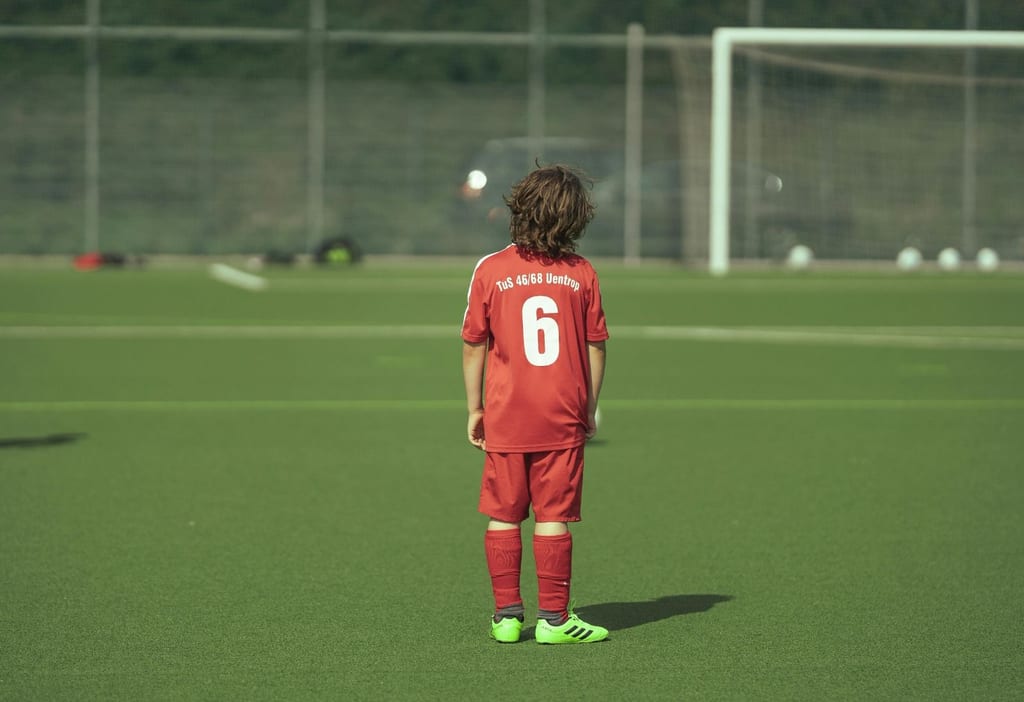
Identity, Responsibility and Objectives: The Real Challenge of Coaching
Football is often described as a team sport.
I believe that, before anything else, it is also an individual sport.
I am not only referring to the talent or technical qualities that each player brings onto the pitch, but to the personal journey every athlete must go through in order to truly function within a collective environment.
Because strong teams are always built on self-aware individuals.
The Individual Comes Before the Collective
For a footballer to fully express his potential, he must first learn to be comfortable with himself.
He must understand his limits, his strengths and his emotions. He must learn how to deal with pressure, mistakes and judgment.
Only then can he truly put himself at the service of the team.
On the pitch we see movements, passes and tactical decisions. But behind every choice, there is always a person.
And this is where, in my opinion, the deepest part of coaching begins: helping players build self-awareness.
Responsibility: Choosing Even When It Has a Cost
In football, it is not enough to know what to do. You also need to be willing to take responsibility for it.
Responsibility means exposing yourself. It means accepting the risk of making mistakes, being judged and making decisions that, at least initially, may not be understood by the group.
Inside a dressing room, the need for belonging is extremely powerful. Being accepted matters. Being appreciated matters.
That is why exposing yourself is never easy.
But that is exactly where growth begins.
Because players who take responsibility show personality. They show identity. They show courage.
And over time, that kind of attitude is almost always recognized and respected by others.
Ego as a Resource
Every footballer has personal ambitions. Every player wants to feel important, recognized and valued.
And I do not believe that this is a problem.
Ego is often described as something negative, something that should be eliminated. In reality, if guided in the right direction, it can become a great resource.
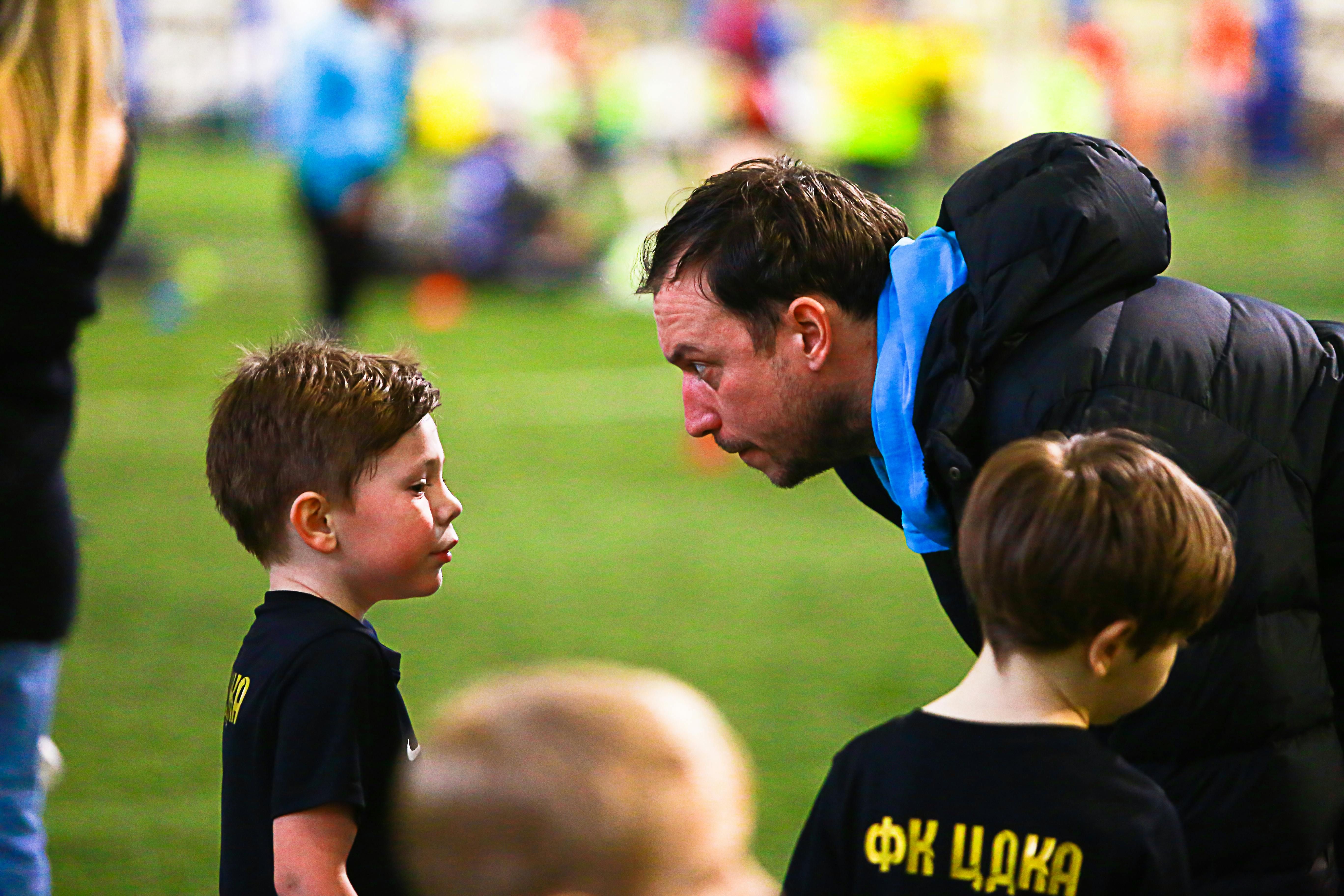
The coach’s role is not to suppress ego, but to guide it. To turn it into positive energy without allowing it to become destructive individualism.
Because teams do not grow by cancelling individuality. They grow when different identities are able to move toward a common direction.
Playing for the Team Also Benefits the Individual
The real challenge in football is bringing together different people: different stories, different personalities and different goals.
And this is where a coach must truly make his presence felt.
Playing as a team does not mean giving up who you are. It means understanding that the collective can become the best environment in which to express your qualities.
A player who helps the team is, in reality, also helping himself.
Because through the group he grows, improves and evolves.
It is something you can clearly feel every day on the training ground: when the collective works, individuals are able to express themselves at their highest level.
The Objective as a Guide
There is another element that I consider fundamental in uniting players, staff and club environment: the objective.
For me, it must come before everything else.
Because without a clear direction, even talent risks being wasted.
The objective is not simply a final destination. It is a daily guide.
It influences behaviours, attitudes, sacrifices and decisions.
When a group clearly knows where it wants to go, it becomes easier to accept effort, difficulties and individual responsibility.
That is when cohesion begins.
That is when belonging begins.
And above all, that is when something greater than the simple sum of individuals is created.
Building the Bridge Between the Individual and the Team
Football is a team sport. But before that, it is a sport made of people.
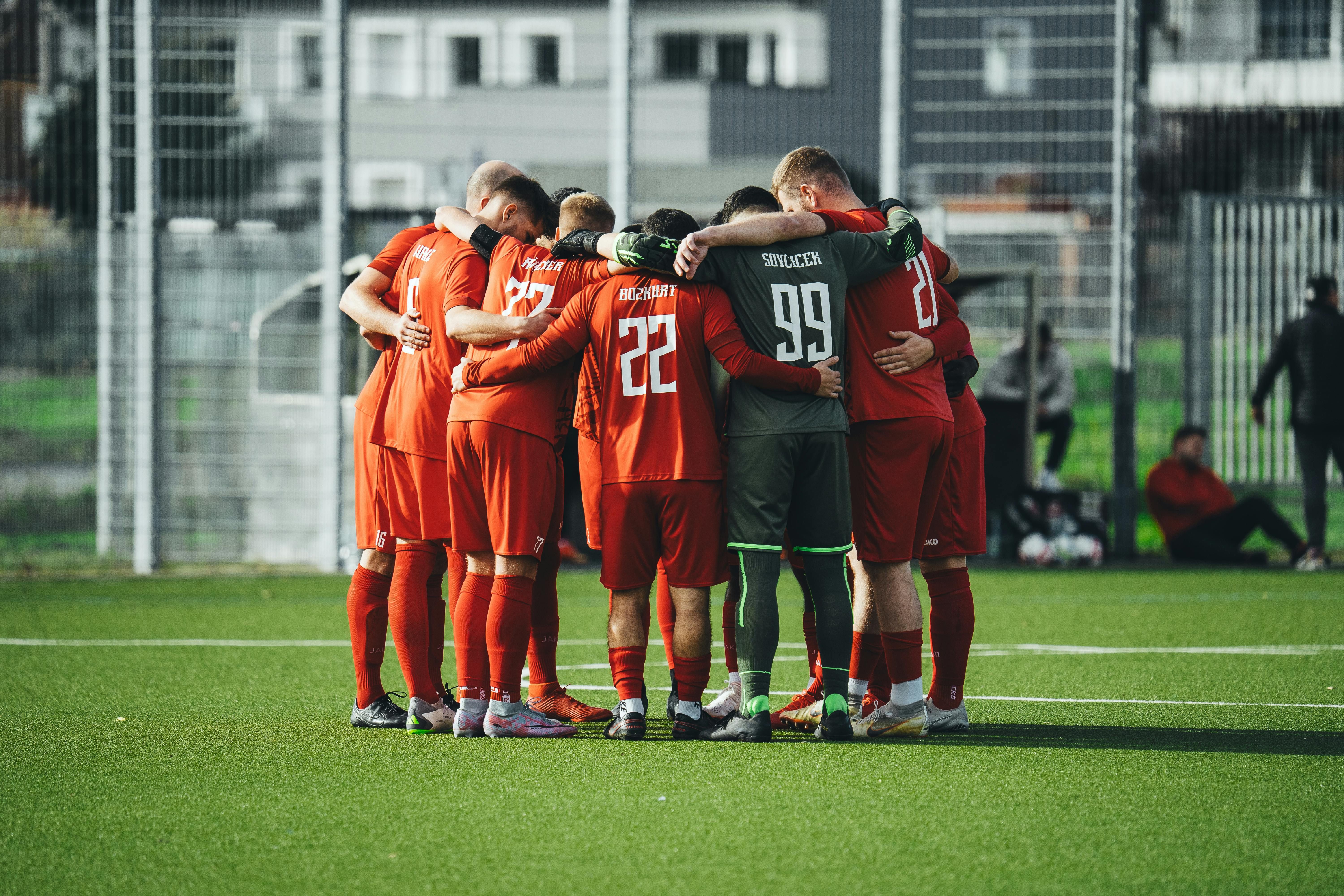
That is why I believe the coach’s role is to build a bridge between the individual and the collective.
Ego must be respected. Identity must be built. Responsibility must be educated.
But everything must move toward a common direction.
Because a strong team is not created when everyone becomes the same.
It is created when different identities learn to move together toward the same objective.
And You?
How do you define and communicate the objective to your team?
Let’s talk about it in the comments or send me a private message.
If you want to receive more reflections on leadership, mentality and team management, subscribe to the newsletter of Beyond the Pitch.
We coach people before we coach players.
Related articles
Latest about 🧠 Mindset
See all
In Training, the Coach Is the Enemy. In Matches, the Coach Is the Ally.
🧠 MindsetIn modern football, we hear more and more about feedback and communication. Yet we rarely dive into the core question: when and how should a coach communicate with their players?

Remember Why You Started: The Power of Motivation
🧠 MindsetEvery coach eventually faces moments of difficulty, criticism, and defeat. In those moments, the real question is: why do we keep doing it?

The Night After Defeat
🧠 MindsetIf it’s true that winning builds, it’s equally true that we become winners by learning to lose. But losing well — with honesty, responsibility, and depth — is far rarer than it seems.