
Training Frustration to Cultivate Desire
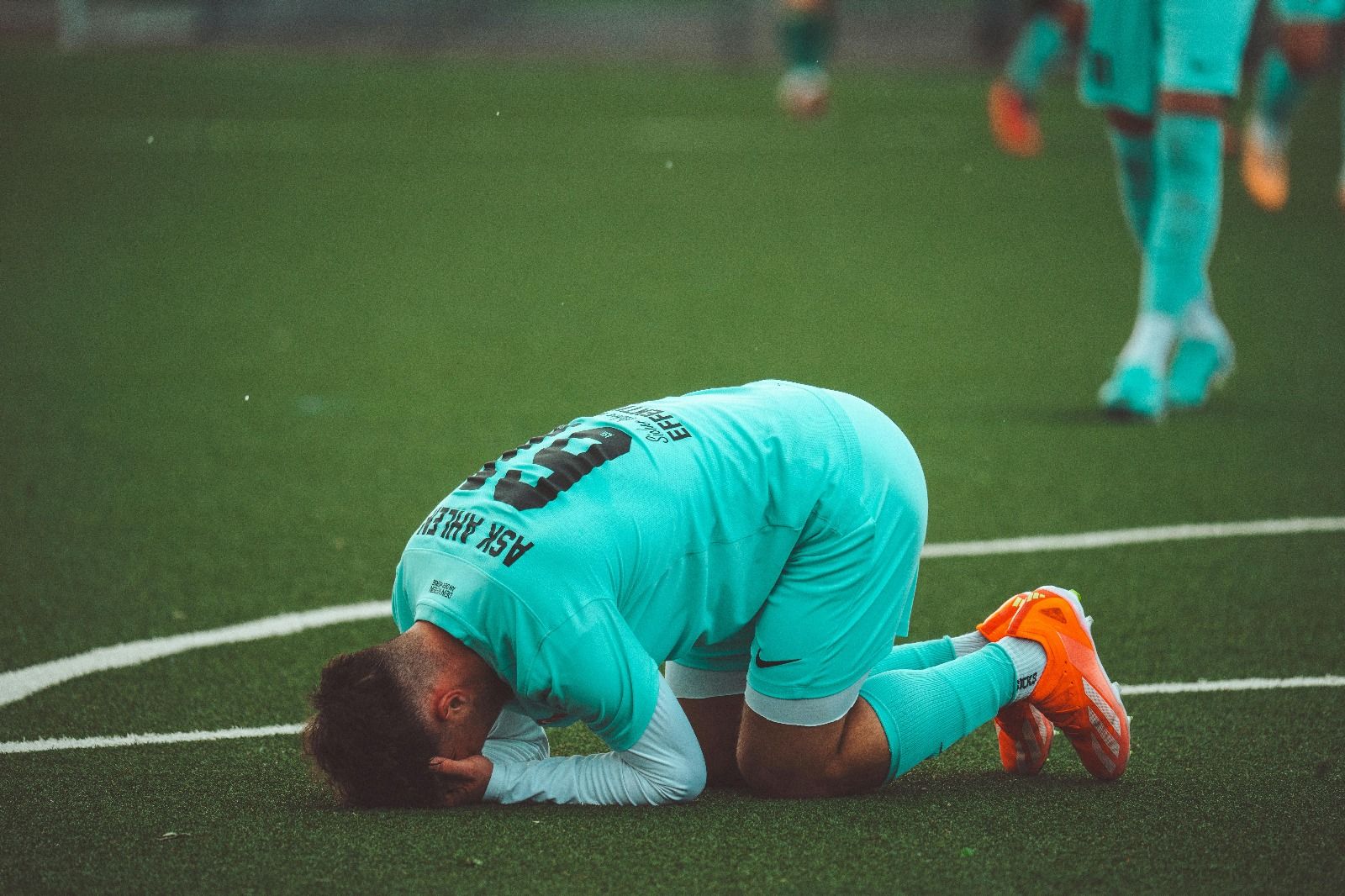
Without Lack, Desire Cannot Be Born
In modern football, one of the most underestimated issues in the development of young players is the lack of training in frustration. We live in an era where young people are increasingly protected from difficulties and have immediate access to everything they need. But if they never experience lack, how can they develop the desire and resilience necessary to succeed?
Frustration as a Tool for Growth
In youth academies, the most talented players are often placed under a glass dome. They are protected, receive special attention, and rarely have to fight for their place. This approach, while safeguarding talent, prevents young players from experiencing a fundamental component of growth: difficulty.
When these players move up to first teams, they encounter a completely different reality: adult football is competitive, the result becomes the main focus, and group dynamics are much tougher than in youth football. Suddenly, those who have never been trained to handle frustration find themselves lost, demotivated, and often unable to react. Many talents fade away, while those who may have fewer technical qualities but a stronger mentality — forged through sacrifice and obstacles — emerge instead.

The Relationship with Error
It’s common to associate mistake with failure, but that’s a limiting view. Error is a fundamental part of the learning process. As the proverb says, “A smooth sea never made a skilled sailor.” It’s through difficulty that we achieve success, if we are able to learn from it. In football, as in life, every mistake is an opportunity for growth, a chance to analyze, correct, and improve. A young player who learns to handle mistakes with intelligence and critical thinking develops a resilient and winning mindset.

The Link Between Desire and Lack
Desire is born from lack. If a young person gets everything immediately and without effort, they will never develop the need to improve, to find solutions, to fight for a goal. Today, many young players grow up in an environment that gives them everything: perfect equipment, comfort, and easy pathways. But without desire, without hunger, talent alone is not enough.
The great champions are not born only from technical skills, but from their ability to overcome obstacles. Think of players who had to fight to rise: they were often not the most gifted, but those who never gave up — who turned frustration into determination.

As Coaches, How Can We Intervene?
- Create controlled challenges: Place young players in situations where they have to fight to achieve something, without having everything guaranteed in advance.
- Value the process, not just talent: Reward mentality, dedication, and daily work, not only technical performance.
- Encourage healthy competition: No spot in the team should be guaranteed; every player should feel motivated to earn it.
- Educate on managing mistakes: Teach that error is a step in growth, and that the reaction to defeat matters more than defeat itself.
Training frustration means training character. Helping young players rediscover their relationship with desire will make them not only better footballers, but also stronger individuals — capable of facing life’s challenges with determination and resilience. And that, in football as in life, makes all the difference in the world.

What About You?
As a coach, player, or parent — how do you deal with frustration and mistakes in your journey?
Share your thoughts in the comments below, and let’s keep this conversation open.
Want to keep exploring the mindset behind performance?
Subscribe to the Beyond the Pitch newsletter to receive reflections and articles straight to your inbox.
Related articles
Latest about 🧠 Mindset
See all
In Training, the Coach Is the Enemy. In Matches, the Coach Is the Ally.
🧠 MindsetIn modern football, we hear more and more about feedback and communication. Yet we rarely dive into the core question: when and how should a coach communicate with their players?

Remember Why You Started: The Power of Motivation
🧠 MindsetEvery coach eventually faces moments of difficulty, criticism, and defeat. In those moments, the real question is: why do we keep doing it?

The Night After Defeat
🧠 MindsetIf it’s true that winning builds, it’s equally true that we become winners by learning to lose. But losing well — with honesty, responsibility, and depth — is far rarer than it seems.