
In Training, the Coach Is the Enemy. In Matches, the Coach Is the Ally.
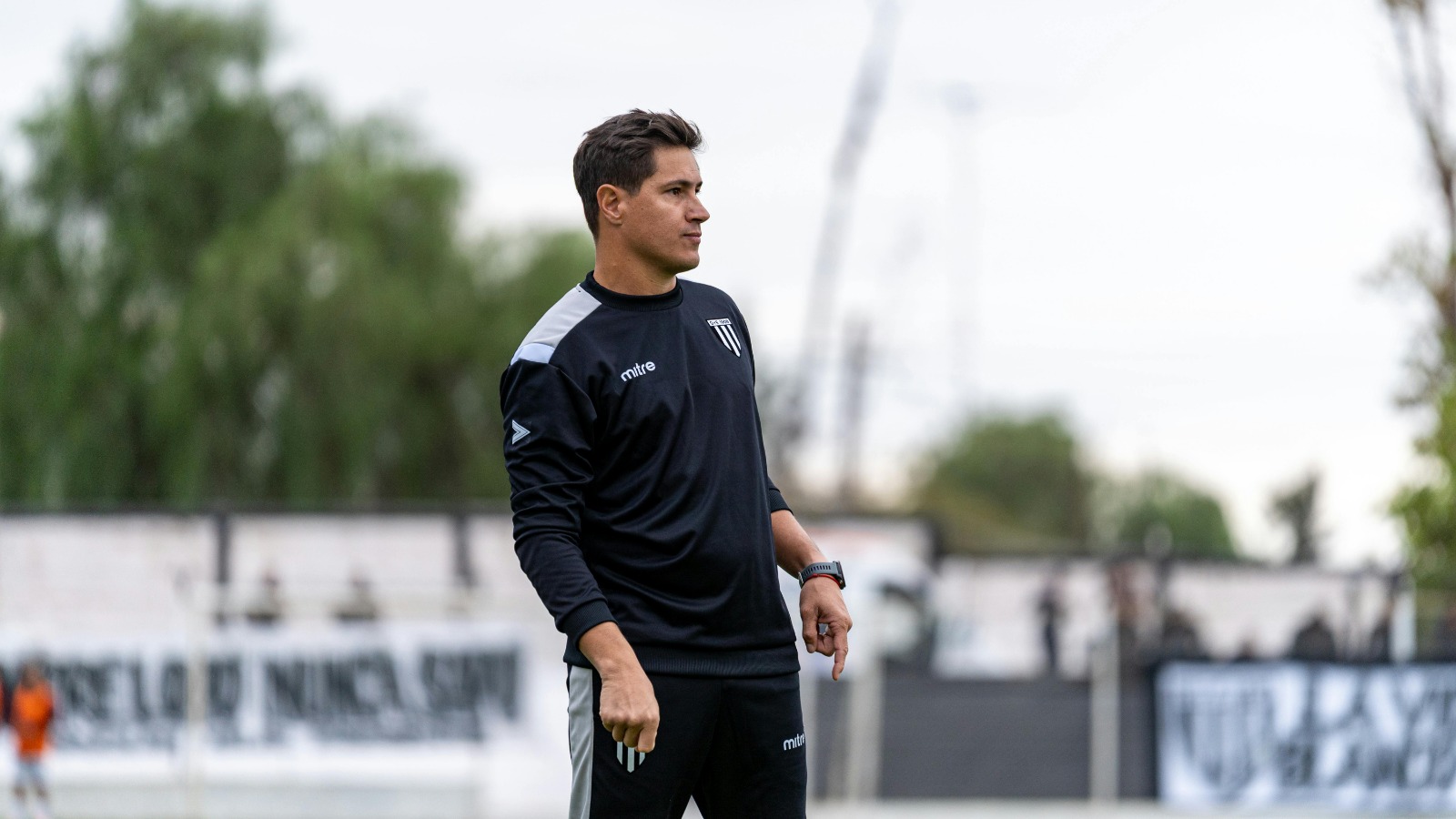
Why Feedback is not Always the Same
In modern football, we hear more and more about feedback and communication. Yet we rarely dive into the core question: when and how should a coach communicate with their players? Above all, we often underestimate a crucial distinction: training and matches are not the same world — and they require different approaches.
Football is an open skills sport. Every action is shaped by external variables and unpredictable situations. In such a chaotic context, feedback must adapt to the moment, the context, and the emotional state of the athlete.
The Role of Feedback in Training
In training, my job as a coach is to create conditions that allow players to experiment, make mistakes, and reflect. Here, feedback can — and should — be immediate, because it helps build awareness. When a player makes a poor tactical choice, that is the moment to question it: Why that decision? What alternatives were available?
Training is the place where mistakes become tools for growth. And for this reason, I believe it is right — even necessary — to put players under pressure, to make them slightly uncomfortable. Only then do we stimulate real cognitive and tactical development.

Feedback During Matches
But in matches, everything changes.
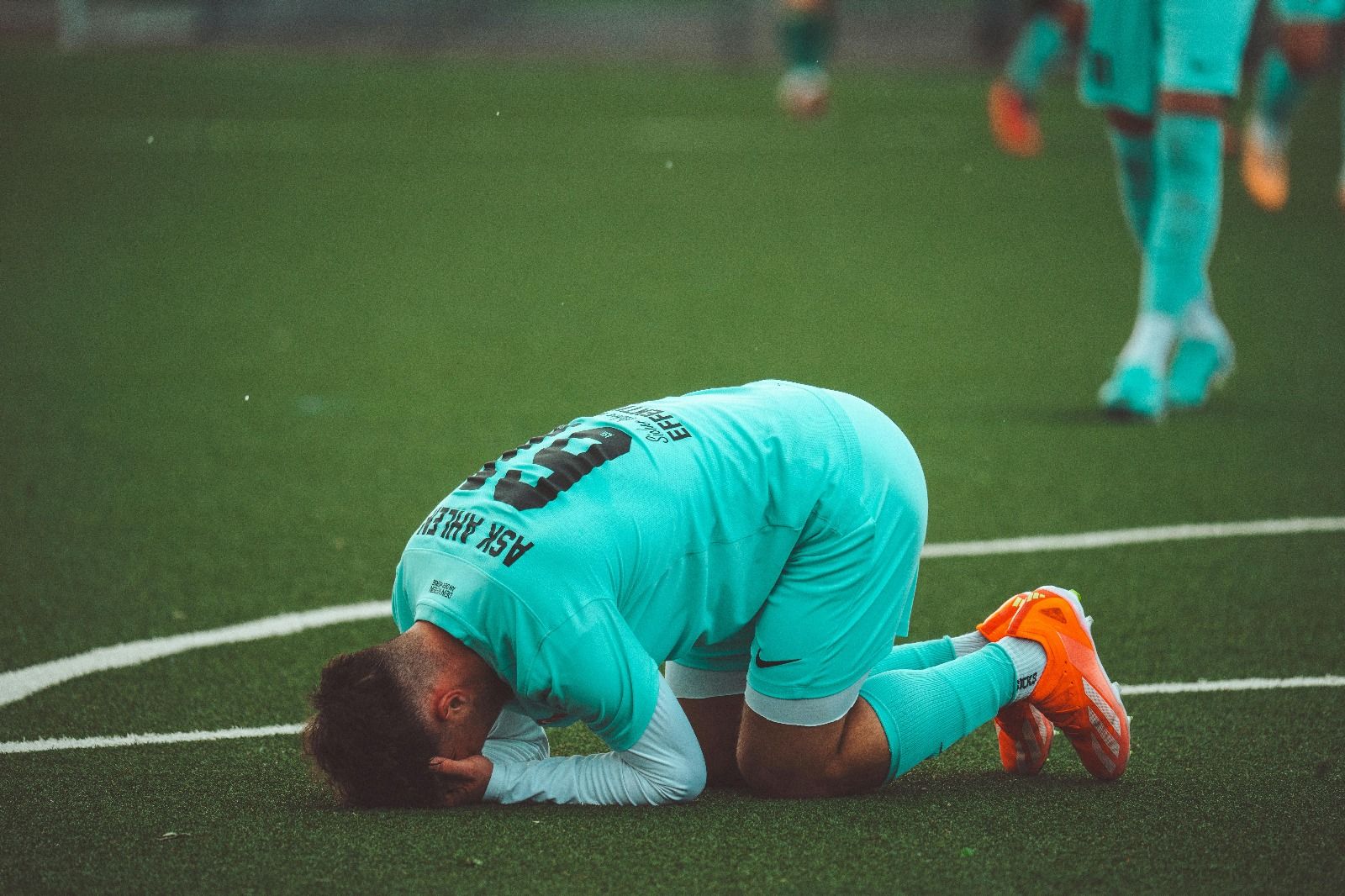
A powerful variable appears: the athlete’s emotional state. Pressure, adrenaline, expectations, the crowd — everything is amplified. Every word or gesture from the coach can be perceived differently, often more intensely, than in training.
That’s why during matches, immediate feedback — especially after a mistake — can be destructive. The player may shut down, feel judged, or lose confidence. In competition, my role shifts: no longer to push, but to support.
My goal is to make the player feel comfortable and protected. And in these moments, positive reinforcement becomes the most effective tool.
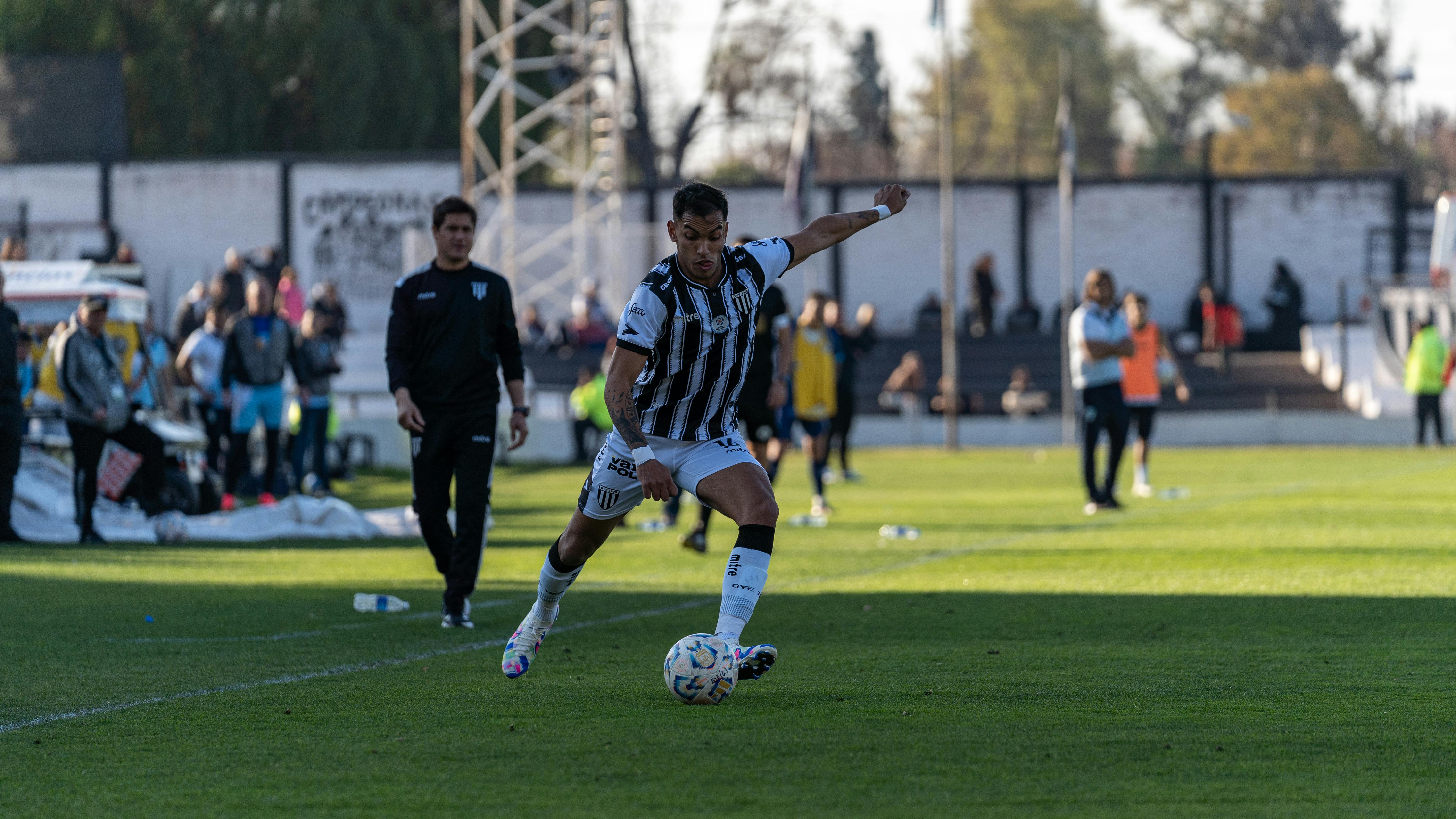
An Equilibrium to Build
I train because I want my players to think. In matches, I want them to feel free to do so.
There is no contradiction — only balance. A rhythm between pressure and protection, between challenge and comfort.
In training, I’m a provocateur — even a necessary enemy. I want to see reactions. I want mistakes. I want players to learn to manage chaos.
But in matches, I’m an ally. I protect and support them, even in error.
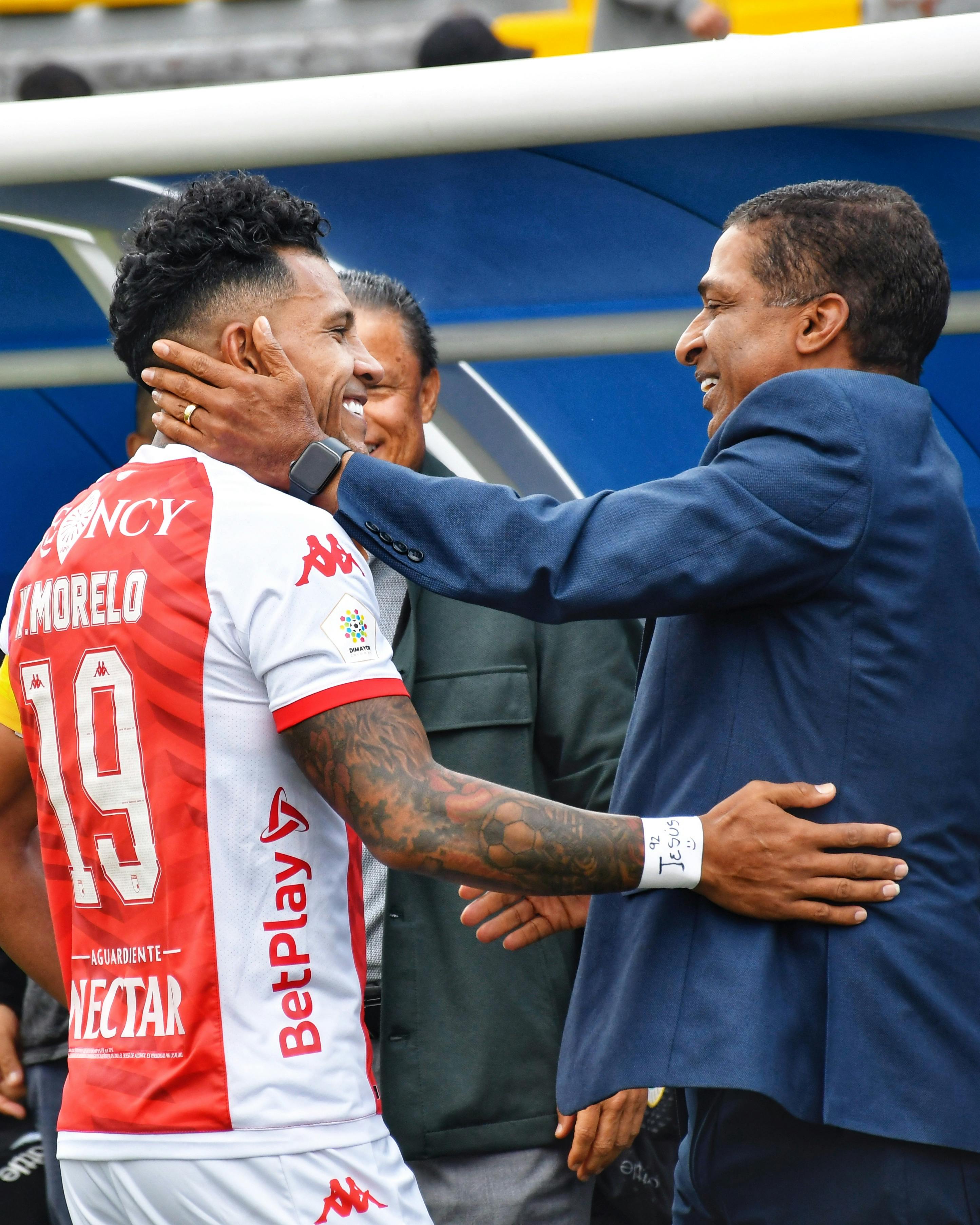
The Message is Clear:
In training, the coach is the enemy. In matches, the coach is the ally.
A provocative statement? Maybe. But also a deeply true one. Because when you go to war, you go with someone you know will cover your back. Always.

And You?
Are you a coach, a leader, a teacher? When your team or your people are performing… how do you manage your feedback?
Share your thoughts — because growing together is the real victory.
Related articles
Latest about 🧠 Mindset
See all
Remember Why You Started: The Power of Motivation
🧠 MindsetEvery coach eventually faces moments of difficulty, criticism, and defeat. In those moments, the real question is: why do we keep doing it?

The Night After Defeat
🧠 MindsetIf it’s true that winning builds, it’s equally true that we become winners by learning to lose. But losing well — with honesty, responsibility, and depth — is far rarer than it seems.
Training Frustration to Cultivate Desire
🧠 MindsetIn modern football, one of the most underestimated issues in the development of young players is the lack of training in frustration.