
When Play Becomes Method
Traditional Games in Adult Football
Over the course of a football season, not all training sessions carry the same weight, intensity, or emotional load.
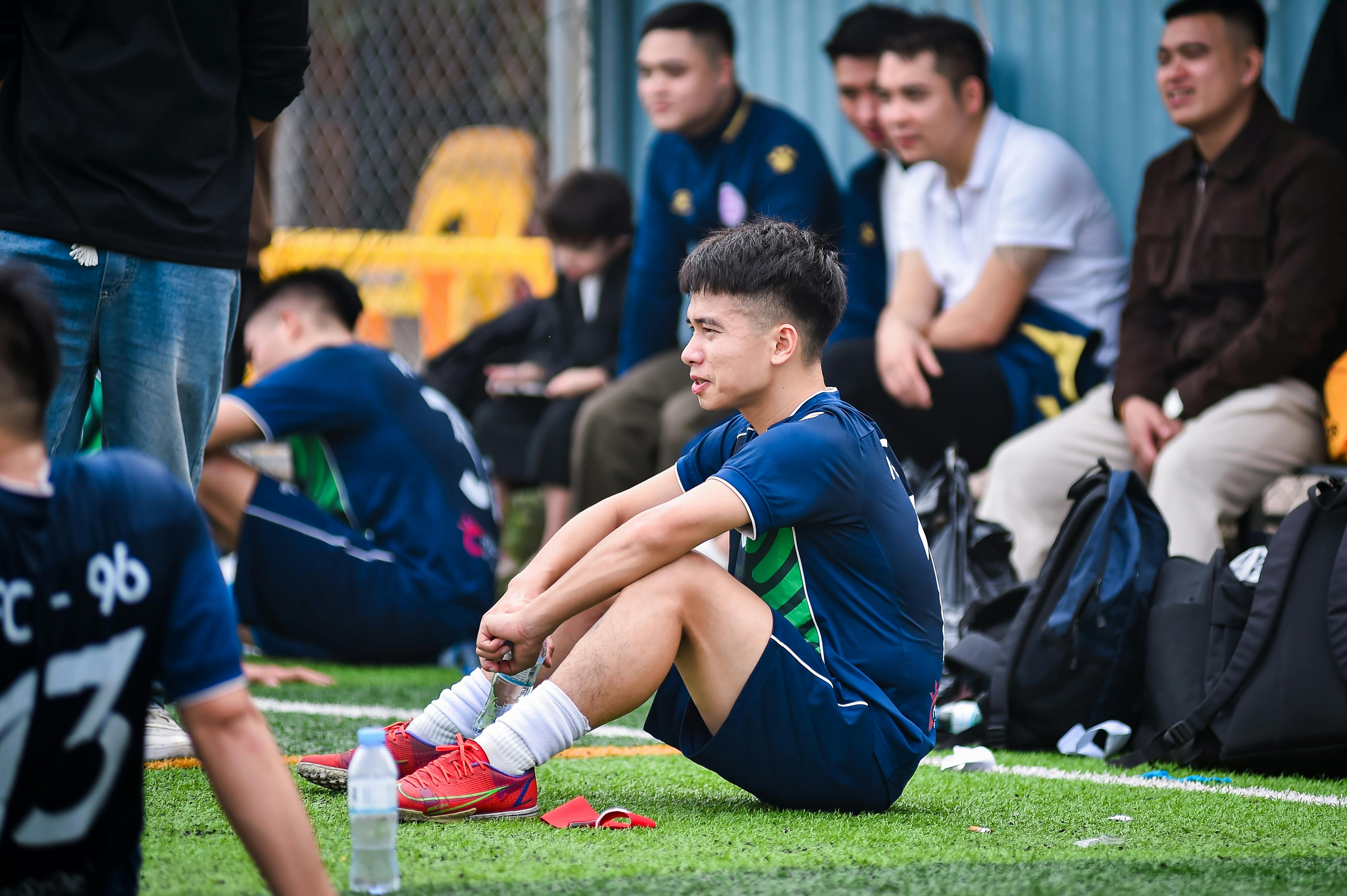
The first session after the weekend match represents a crucial moment: levels of attention are physiologically lower, the need for recovery is high, and the emotions of the game are still very present.
There is one training session in particular that is often underestimated but that, in my view, plays a strategic role: the first training session of the week.
For several years now, I have chosen to include in this session a tool that is often considered suitable only for the youth sector: traditional games. A choice that, over time, has proven to be surprisingly effective even in adult football.
The First Weekly Training Session: Between Recovery and Mental Realignment
In my weekly structure, the first session after the match is designed with very specific objectives:
- Active recovery;
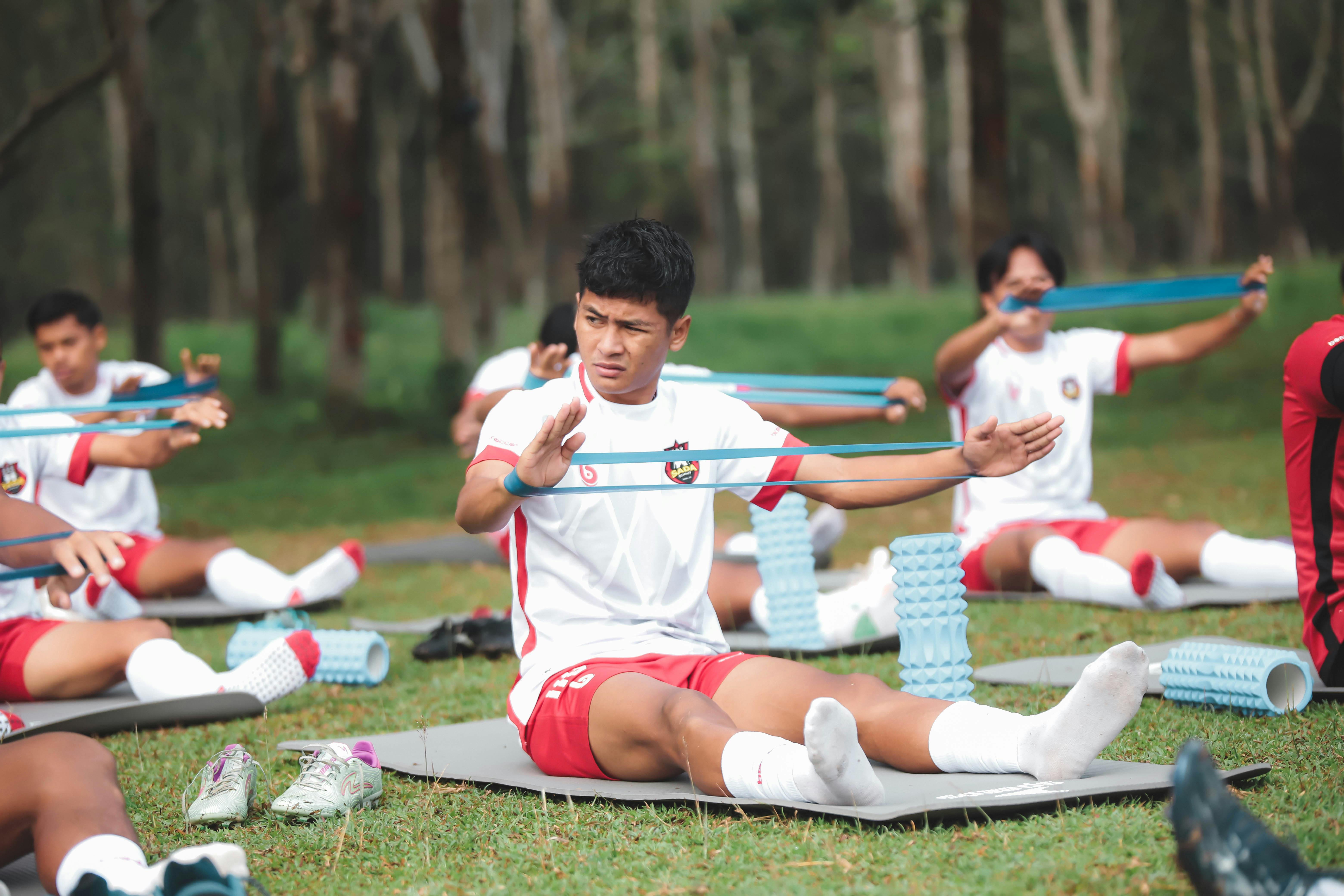
- Injury prevention work focused on mobility;
- Large ball-possession exercises with aerobic goals;
- Intermittent athletic work to re-oxygenate the muscles.
The common denominator is clear: a low cognitive load. This is not the day to demand maximum tactical clarity, emotional pressure, or complex requests. It is the day to re-enter the week.
And it is precisely in this context, after the initial phase of prevention, mobility, and warm-up, that I choose to introduce a short block dedicated to traditional games.
Why Introduce Traditional Games in Adult Football?
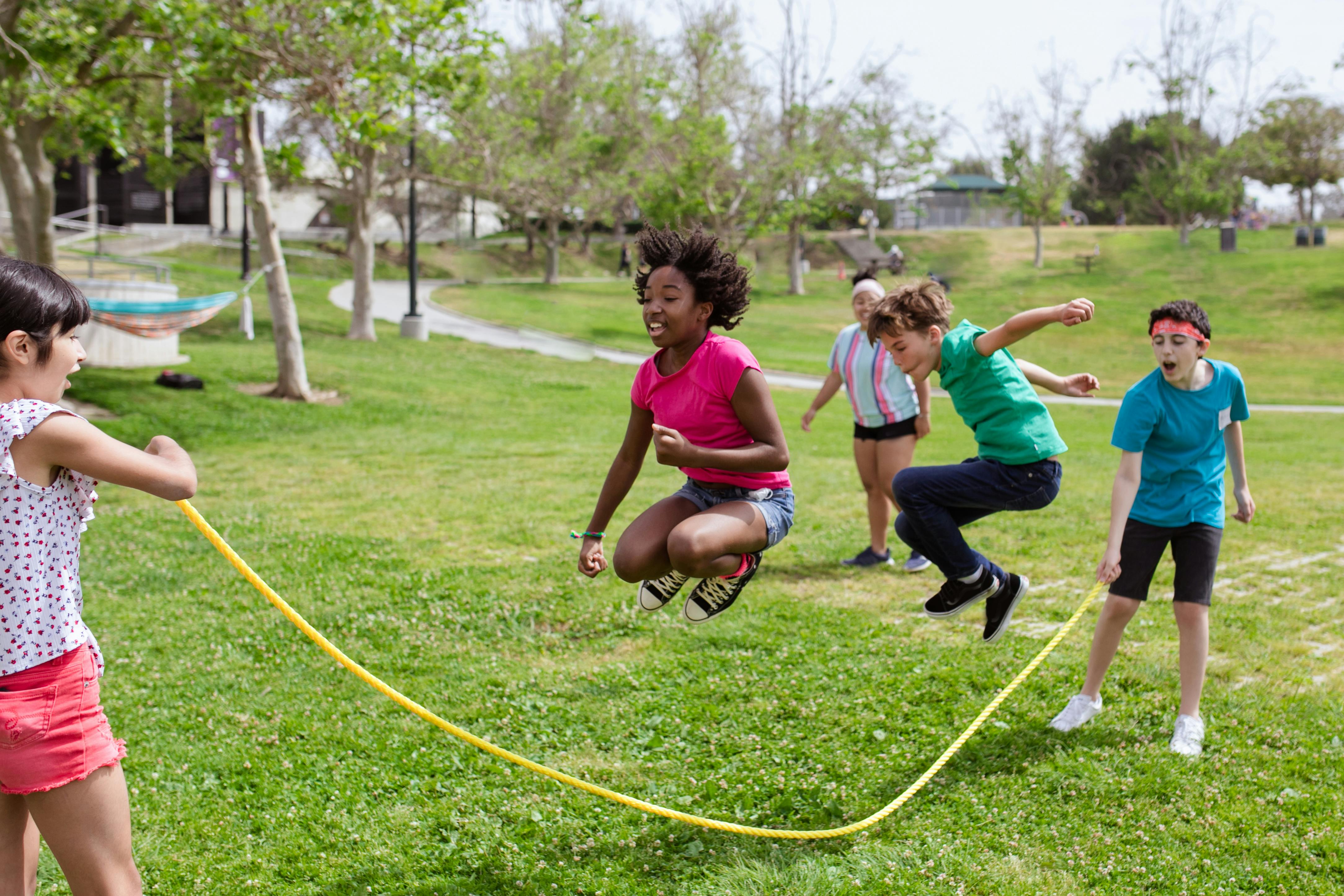
When play enters the pitch, the atmosphere immediately changes. Faces relax, body language softens, and concentration stops being forced and becomes natural. It is at that moment that the team—often still burdened by the emotional residue of the match—truly begins to reconnect with the week.
Traditional games have this power: they realign without imposing. They break routine without creating confusion. Players find themselves in a different context, yet not a foreign one. It is something they know, something they experienced as children, and precisely for this reason they approach it with a mental openness that would be difficult to achieve in a classic tactical drill.
Within play, without the need for explanations, strategy and situational reading naturally re-emerge. Timing is chosen, spaces are occupied, actions are shared, movements are anticipated. Tactics are present, but hidden. They do not weigh down the players, do not fatigue them, do not create pressure—and yet they train them.
Then there is competition. The real kind. The kind that does not need to be artificially activated, because it is inherent in the game itself. Even in the most playful context, the group divides, organizes itself, and competes. And it is precisely there that the emotional spark often lost after a defeat begins to return.
After a loss, in particular, traditional games take on an almost reparative function. Without speeches, without motivational rhetoric, the energy shifts. Smiles return, tensions dissolve, and the team breathes again. From a mental perspective, this too is training.
There is also an aspect that I consider perhaps the most valuable from a coach’s point of view: observing the group. When players step outside the pure football context and enter an activity that is apparently unrelated, group dynamics become more authentic. Natural leaders emerge without being appointed, fragilities surface, relationships reveal themselves. It is a real, unfiltered snapshot of the team’s emotional state at that specific moment of the season.
Other Often Overlooked Benefits
Alongside all this, there are subtler but no less important advantages. Play encourages spontaneous communication, free from rigid roles and hierarchies. It reduces performance anxiety, because it shifts attention from the mistake to the process. It reactivates coordination, speed, and adaptability without players perceiving the weight of training.
Above all, however, it restores a dimension that modern football often risks losing: the pleasure of playing. And when a player rediscovers pleasure, they also rediscover availability, openness, and trust.
The Traditional Games I Use
In my work, I often use games that belong to everyone’s early sporting experience:
- Capture the Flag;
- Four Corners;
- Tic-Tac-Toe;
- Steal the Treasure;
- Dodgeball;
- Tails Game.
These are games normally proposed in the very first years of sporting activity (ages 5–6), but when intelligently integrated into adult training contexts, they produce surprising effects on an:
- Emotional;
- Cognitive;
- Relational;
- Motivational level.
The key is not the game itself, but the moment in which it is introduced and the objective assigned to it.
Traditional Games and Methodology: A Matter of Balance
Introducing traditional games does not mean lowering the level of training. It means knowing how to modulate tools according to the moment of the week, the team’s emotional state, and the objectives of the microcycle.
Recovery is not only physical. It is also mental, emotional, and relational.
Returning to Play to Train Better
In modern football everything moves fast: analysis, data, loads, tactics, pressure. In this context, traditional games represent a return to the deepest essence of sport: playing.
Including them in the first weekly training session is not a nostalgic choice, but a conscious methodological one. They help the team realign, rediscover energy, rebuild connections, and prepare emotionally for the real work that will follow in the days ahead.
I believe in a form of football that does not separate performance from humanity. I believe that coaching also means taking care of the group’s emotional state. I believe that without play, true training does not really exist.

A Question for You
In your first weekly training session, how much space do you give to play, emotions, and group dynamics?
Do you see it only as a recovery day… or also as an opportunity to mentally realign your team?
Related articles
Latest about ⚽ Tactics
See all
Defensive Reading in Modern Football: Beyond Free Ball and Covered Ball
⚽ TacticsIn modern football, where spaces vanish in seconds and every decision can change the outcome of a match, the defensive line has a crucial task: reading the signals of the game.